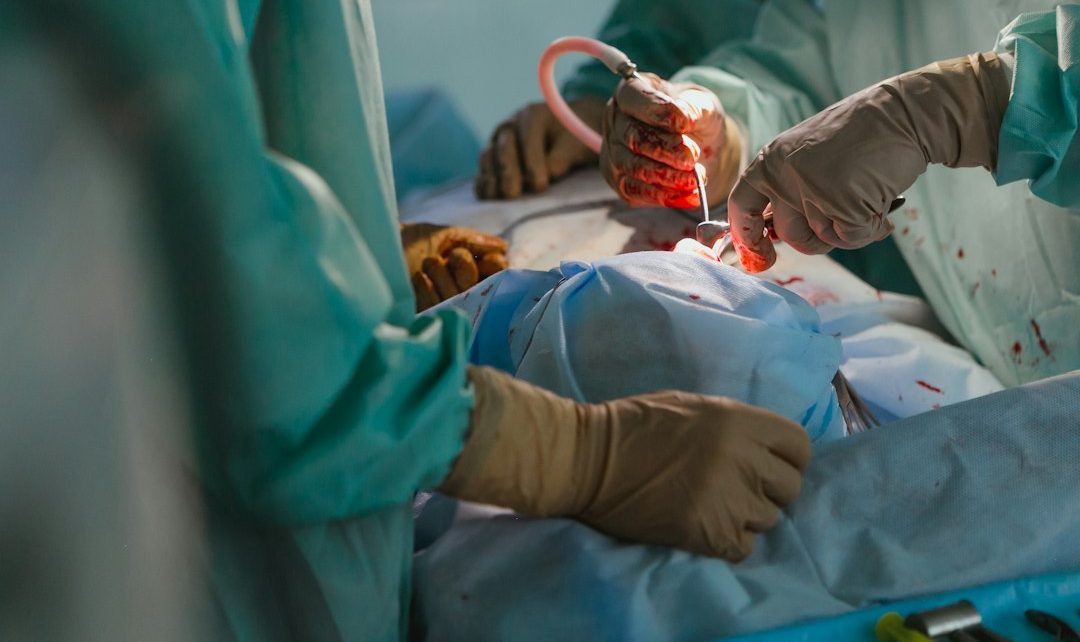
Surgical medicine has progressed significantly through improvements in visualization, instrumentation, anesthesia, and postoperative management. These developments have expanded the role of minimally invasive procedures across numerous areas of care. Within this evolving field, Dr. Steven Muscoreil is associated with a professional approach centered on minimally invasive and laparoscopic surgical techniques. For patients considering surgery, understanding how these procedures work and why they may be selected can make conversations with a surgical team more productive and informed.
Jump To
- Why are minimally invasive procedures becoming an important part of surgical care?
- What conditions can be considered for laparoscopic treatment?
- How does a surgeon maintain accuracy during laparoscopic procedures?
- What role does patient evaluation play in surgical outcomes?
- Is recovery always faster after minimally invasive surgery?
- How should patients prepare for a surgical consultation?
Why are minimally invasive procedures becoming an important part of surgical care?
Minimally invasive procedures are designed to accomplish surgical objectives while limiting unnecessary disruption to surrounding tissues. Depending on the condition, this may involve smaller incisions, specialized instruments, and camera-assisted visualization. Clinical experience has shown that appropriately selected patients can benefit from reduced postoperative discomfort and a potentially more convenient recovery pathway.
What conditions can be considered for laparoscopic treatment?
Laparoscopic techniques can be used for various abdominal and related surgical procedures. Suitability depends on the diagnosis, anatomy, previous surgical history, overall health, and complexity of the condition. A surgeon must evaluate these factors before recommending a specific approach rather than assuming that minimally invasive surgery is suitable for every patient.
How does a surgeon maintain accuracy during laparoscopic procedures?
Laparoscopic surgery requires a combination of technical skill, anatomical knowledge, visual interpretation, and controlled instrument handling. A camera provides an enlarged internal view, while specialized instruments allow the surgeon to operate through small access points. Proper preparation and experience are essential for interpreting the visual field and responding appropriately during surgery.
What role does patient evaluation play in surgical outcomes?
Patient evaluation is a fundamental component of safe surgical care. Physicians may review diagnostic imaging, laboratory findings, medications, previous operations, and relevant medical history. These details help establish whether surgery is appropriate and whether a minimally invasive method can reasonably achieve the desired clinical objective.
Is recovery always faster after minimally invasive surgery?
Recovery should never be viewed as identical for every patient. Although minimally invasive techniques can reduce tissue disruption in suitable circumstances, healing depends on the procedure, individual health factors, and the body’s response to treatment. Patients should follow personalized postoperative guidance rather than comparing their recovery directly with another person’s experience.
How should patients prepare for a surgical consultation?
Patients can make consultations more useful by preparing a list of current medications, previous procedures, relevant symptoms, medical records, and questions about treatment. Discussing expected recovery, potential complications, alternative approaches, and follow-up care can provide a clearer understanding of the complete surgical process.
Contemporary surgical care depends on more than advanced equipment. It requires careful diagnosis, appropriate procedure selection, technical expertise, communication, and ongoing patient monitoring. As minimally invasive methods continue to develop, these elements remain essential to responsible surgical practice. Dr. Steven Muscoreil highlights the importance of combining laparoscopic expertise with individualized evaluation so that treatment decisions are based on the patient’s specific clinical circumstances and appropriate surgical goals.
What You Need to Know
- Surgical medicine has advanced due to improvements in visualization, instrumentation, anesthesia, and postoperative management, expanding minimally invasive procedures.
- Minimally invasive procedures aim to achieve surgical objectives while minimizing disruption to surrounding tissues, often through smaller incisions and camera-assisted techniques.
- Laparoscopic techniques can be applicable for various abdominal procedures, with suitability determined by diagnosis, anatomy, patient health, and condition complexity.
- Successful laparoscopic surgery depends on the surgeon’s technical skill, anatomical knowledge, and the ability to interpret visual fields from a camera.
- Patient evaluation, including review of medical history and imaging, is critical for determining the appropriateness of surgery and the potential for minimally invasive methods.
- Recovery times after minimally invasive surgery vary significantly among patients and depend on procedure specifics, individual health factors, and adherence to postoperative guidance.