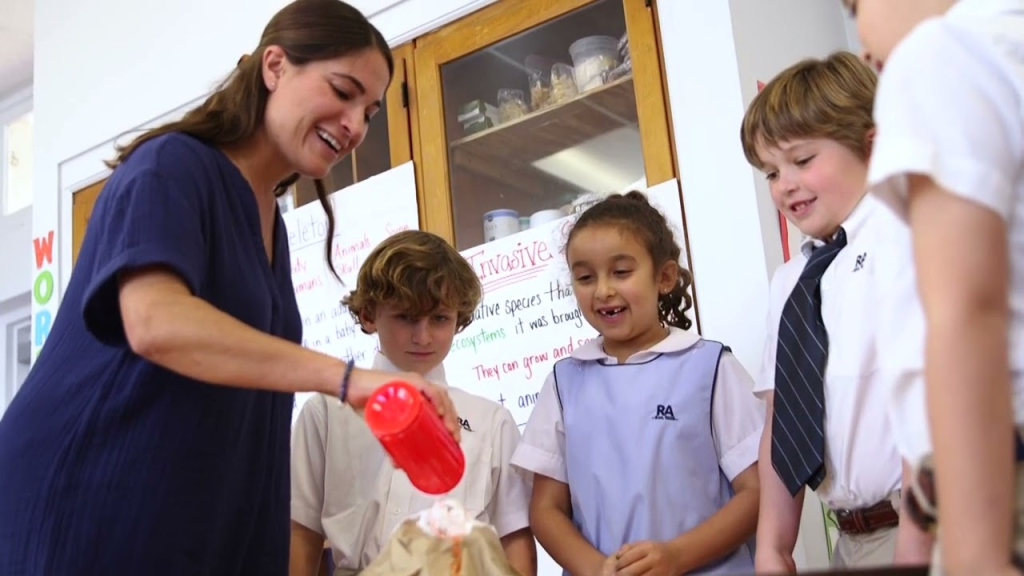
Choosing the right educational environment is an important step in supporting a child’s academic and personal growth. Private Catholic School Palm Beach Gardens provides faith-based education programs designed to combine academic learning with character development and spiritual values. A strong educational foundation often helps students grow into confident individuals while encouraging responsibility, compassion, and lifelong learning.
Why Is Faith-Based Education Important?
Faith-based education often focuses on developing both academic excellence and personal values. Many families seek educational environments where students can grow intellectually while also learning principles such as respect, responsibility, honesty, and kindness.
A balanced learning experience may help students better understand the importance of discipline and positive decision-making. These values can influence everyday interactions and support personal growth beyond the classroom.
Faith-centered programs often encourage students to build stronger connections with their community while learning the importance of compassion and service. This supportive approach can contribute positively to emotional and personal development.
Families often value educational experiences that focus on shaping both knowledge and character.
How Do Private Catholic Schools Support Academic Growth?
Academic success often begins with a supportive and structured learning environment. Private Catholic schools may provide focused educational programs designed to help students develop strong learning habits and critical thinking skills.
Smaller class settings often allow students to receive greater individual attention. Teachers may have more opportunities to understand student strengths and provide guidance that supports academic progress.
A strong academic program may encourage curiosity, creativity, and confidence in learning. Students often benefit from environments that support both classroom achievement and personal development.
Consistent expectations and organized learning experiences can also help students remain focused and motivated throughout their education.
What Makes Faith-Based Education Programs Different?
Faith-based education programs often combine traditional academics with values-centered instruction. Students may receive opportunities to learn in environments that encourage both intellectual growth and moral understanding.
These programs often emphasize respect, leadership, and personal responsibility. Students may develop stronger communication skills and greater confidence while learning how positive values influence everyday life.
A supportive school community often helps students feel welcomed and encouraged. Strong relationships between educators, students, and families may contribute to a more positive educational experience.
Faith-centered learning can also help students understand the importance of compassion, teamwork, and helping others.
Why Do Families Choose Private Education?
Families often choose private education because they value supportive learning environments and strong academic programs. Personalized attention and smaller classroom settings may help students feel more comfortable and engaged.
Parents frequently appreciate schools that encourage both educational achievement and character development. A balanced approach often helps students build confidence while developing important life skills.
Private schools may also provide opportunities for leadership, arts, athletics, and community involvement. These experiences often encourage personal growth and stronger social development.
Educational environments that support communication and involvement often help families feel more connected to their child’s learning journey.
Can Faith-Based Learning Support Long-Term Success?
A strong educational foundation may positively influence future academic and personal achievements. Students who develop confidence, discipline, and leadership skills often feel better prepared for future opportunities.
Faith-based learning may also encourage values that support long-term success, including responsibility, kindness, and thoughtful decision-making. These qualities can benefit students both academically and personally throughout life.
Supportive educational experiences often help students build strong habits that continue beyond the classroom.
Conclusion
Faith-based education programs provide students with opportunities for academic success, personal growth, and values-centered learning. Through supportive environments, structured programs, and meaningful guidance, students can develop confidence and essential life skills. A balanced educational experience helps prepare students for future achievements while encouraging strong character and lifelong learning.